JijianTong-supported inspection coordination

Inspection needs a scope, evidence and clear limitations.

We convert buyer specifications into an executable inspection plan, coordinate the inspection task, findings, corrective actions and re-inspection, and leave the release decision with the buyer.

01

Inspection baseline

Before an on-site task is arranged, both parties confirm the product, order number, approved sample, drawings, quantity, packaging and decision criteria. The inspector cannot guess buyer requirements without a written baseline.

  • Specification and tolerances
  • Sampling method and sample size
  • Critical, major and minor finding definitions
02

Task setup and on-site coordination

Based on the agreed scope, we coordinate timing, location, contact and checkpoints through JijianTong or the designated service route. Availability depends on platform, location and provider scheduling.

  • Factory and contact confirmation
  • Production stage and available quantity
  • Site access requirements
03

Evidence and finding records

The report records inspectable points such as quantity, appearance, dimensions, function, labeling, packaging and loading against the inspection plan. Photos should identify the product, finding and location.

  • Photo and video requirements
  • Finding description and quantity
  • Items not verifiable on site
04

Correction, re-inspection and release

After findings are raised, the supplier proposes corrective action and a re-inspection can be arranged where needed. Yuhua Yunchuang organizes evidence and status but does not replace the buyer's final commercial decision.

  • Corrective owner and deadline
  • Re-inspection scope and fee confirmation
  • Written buyer release or rejection
05

Laboratory testing and certificate checks

Composition, safety, electrical, environmental and regulatory tests cannot be replaced by ordinary visual inspection. Where needed, we can coordinate a laboratory with the appropriate qualification and scope; fees, samples and timing are confirmed separately.

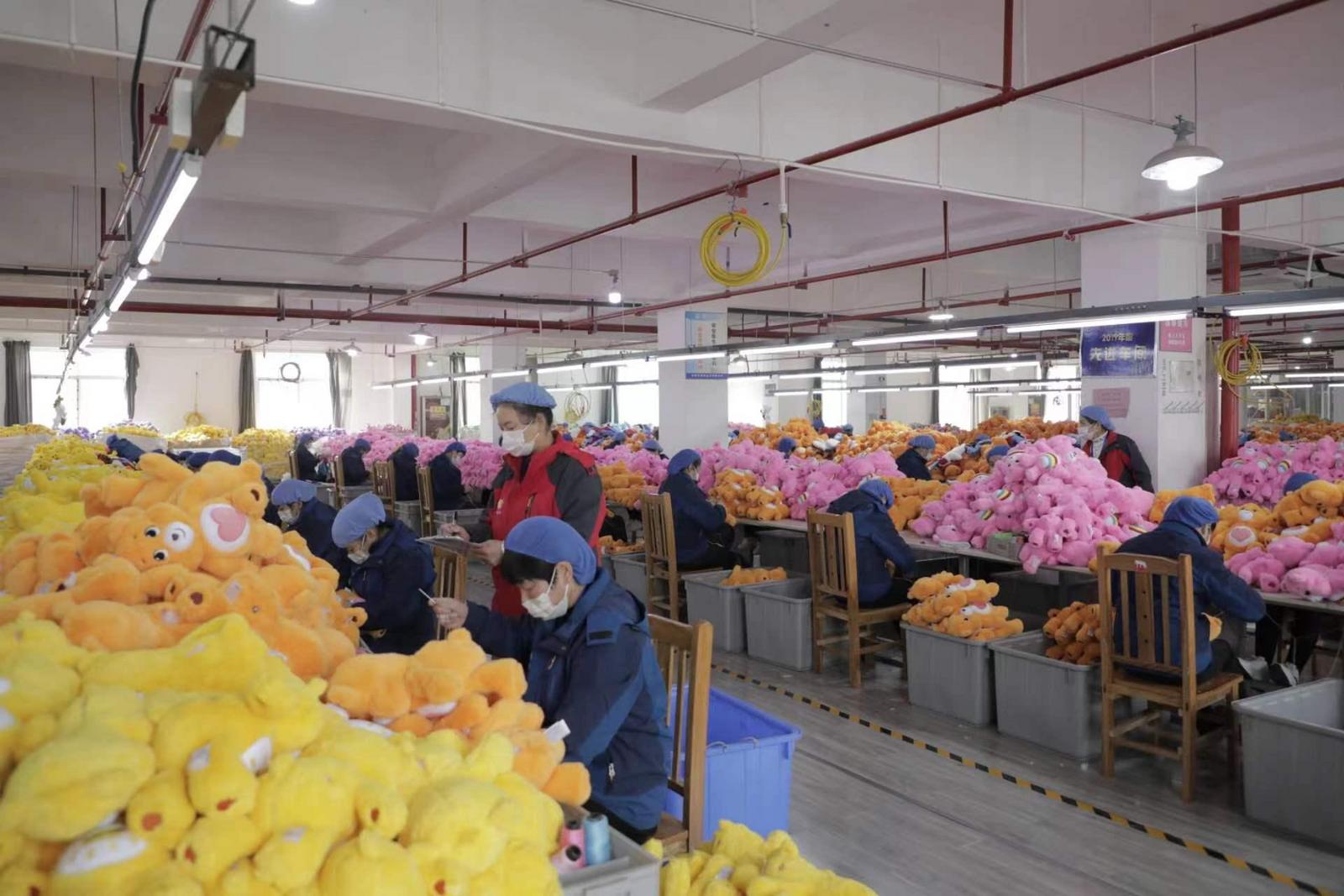
Inspection activity in a plush toy production environment
Production-site illustration. The image is not evidence of a specific customer, order or inspector credential.

What a report should contain

Every conclusion should trace back to a checkpoint.

  1. IDOrder, product, factory, date and task ID
  2. ScopeQuantity, sampling, checkpoints and limitations
  3. EvidenceResults, photos, finding quantity and location
  4. DecisionCorrection, re-inspection and buyer release status

Important boundaries

Inspection reduces uncertainty. It does not remove every risk.

Can you arrange 100% inspection?
It can be assessed, subject to product, quantity, labor, factory cooperation and inspectability. Even 100% inspection cannot reveal every latent or future defect.
Is AQL suitable for every product?
No. AQL is a common sampling tool, but safety-critical, custom, high-risk or small-batch products may require another method.
What happens after a failed result?
A report does not automatically cancel an order. Rework, replacement, re-inspection, price adjustment or rejection follows the contract and buyer decision.