Source & scope
Data source, HS codes, product scope, importing countries and time range.

Customs data analysis
Customs import records help profile buyers, gauge trade activity and shortlist target markets before export outreach. Every review states its data source, coverage and verification limits, and does not replace official or compliance advice.
The same product appears differently across sources, HS codes and time periods. Before analysis we lock the product scope, code, importing countries, time range, use case and available verification paths, so records are not mistaken for facts.
Data source, HS codes, product scope, importing countries and time range.
Importer names, locations, categories, import activity windows and size signals.
Origin-to-importing-country flows, shipment counts, price bands and seasonality.
Deduplication, normalization, missing fields, field mapping and verification status.
Export outreach, market screening or RFQ scoping, plus customs and compliance checks.

Analysis starts from a concrete question: find buyers, select markets, or provide context for export decisions. Each step produces a reviewable intermediate result.
These images illustrate the coordination scenes around data work: information checks, warehousing, logistics and shipment handling. They do not state that Yuhua Yunchuang owns the shown facilities or inventory.
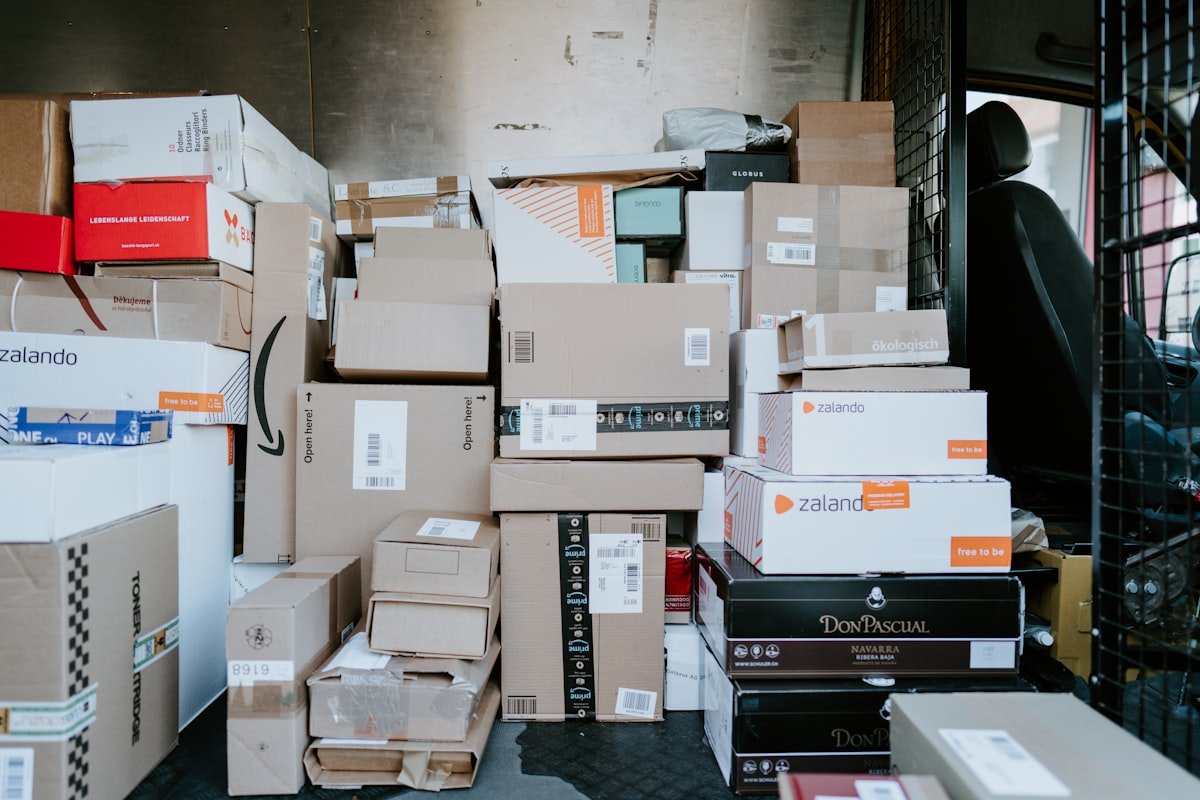
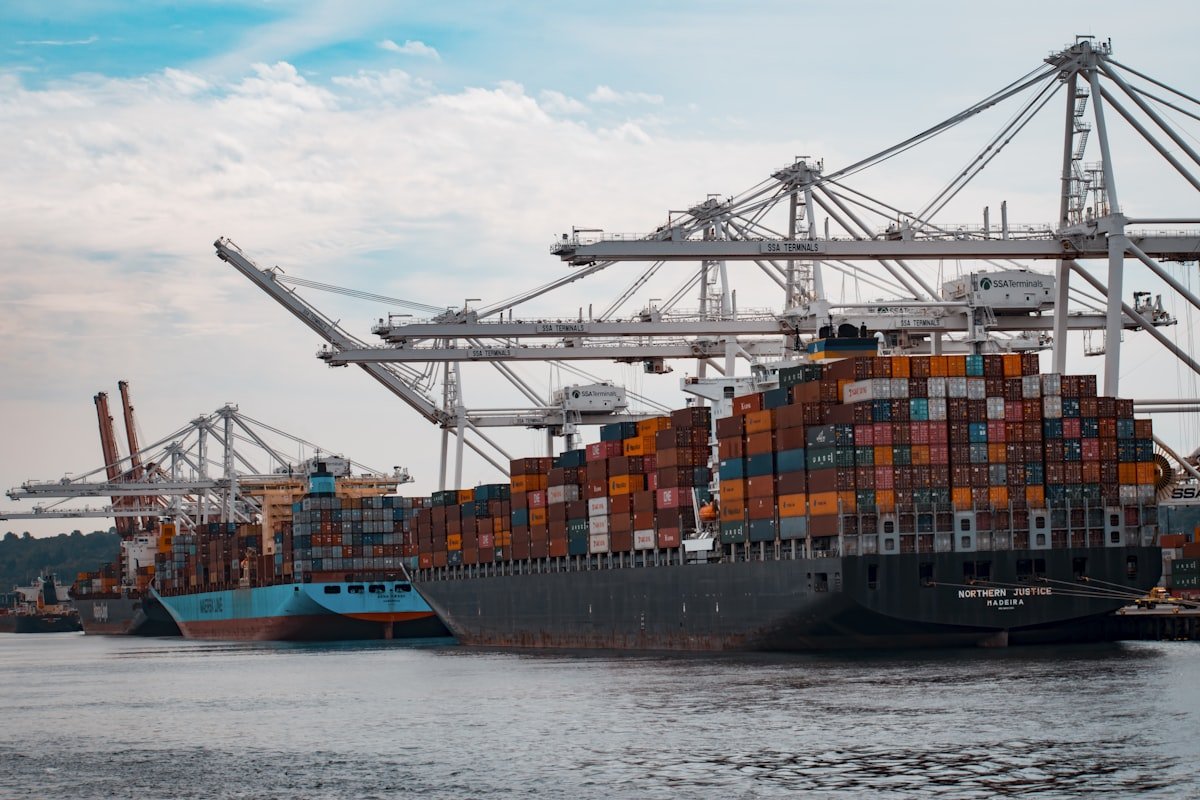
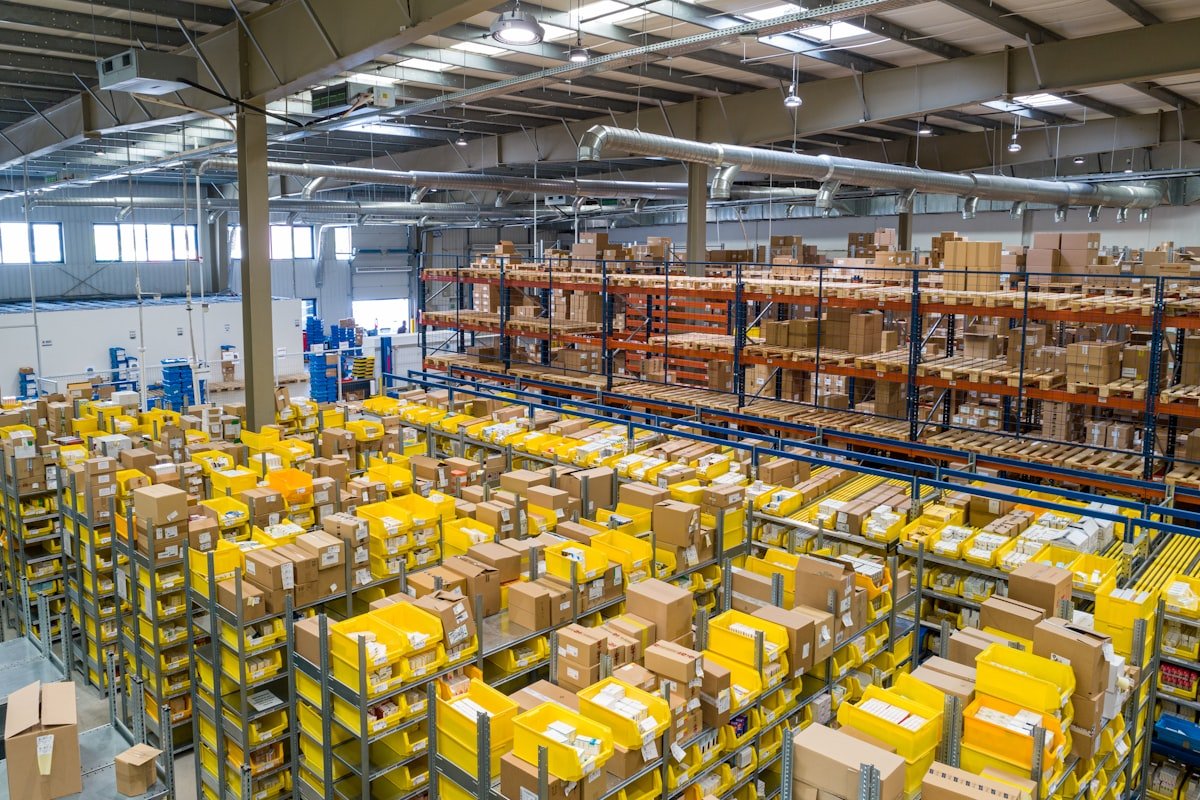

Images are data-service and workflow references. They do not state that Yuhua Yunchuang owns the shown warehouse, equipment or inventory; buyer lists and trade records follow the written outputs of authorized sources.
Back to product scopeAn initial review first explains available sources, coverage, deduplication and verification, then provides analysis and outreach suggestions. The formal scope follows a written project brief.